Introduction
Peptide research isn’t slowing down in fact, it’s getting more intense.
In 2026, researchers are focusing less on hype and more on mechanisms, signaling pathways, and measurable outcomes. That means certain peptides are consistently showing up in studies, lab discussions, and experimental models.
If you’re trying to understand where the real scientific attention is going, this guide breaks down the most studied research peptides in 2026, without the fluff or exaggerated claims.
What Are Research Peptides?
Peptides are short chains of amino acids that act as signaling molecules in biological systems. In research settings, they’re used to study:
- Cellular communication
- Tissue response mechanisms
- Hormonal signaling
- Regenerative processes
Most importantly, peptides sold for research purposes only (RUO) are not approved for medical or human use. Their value lies in controlled laboratory investigation not consumer application.
Why Certain Peptides Get More Attention
Not all peptides are equal. The ones dominating research in 2026 usually have:
- Strong early stage data
- Clear biological pathways
- High reproducibility in lab settings
- Broad research applications
In simple terms: researchers follow data, not trends.
1. BPC-157
BPC-157 continues to attract attention due to its role in studying cellular repair mechanisms and angiogenesis.
Research Focus:
- Interaction with growth factors
- Tissue response models
- Blood vessel formation pathways
What makes it interesting is its consistency across different experimental setups, which is rare in peptide research.
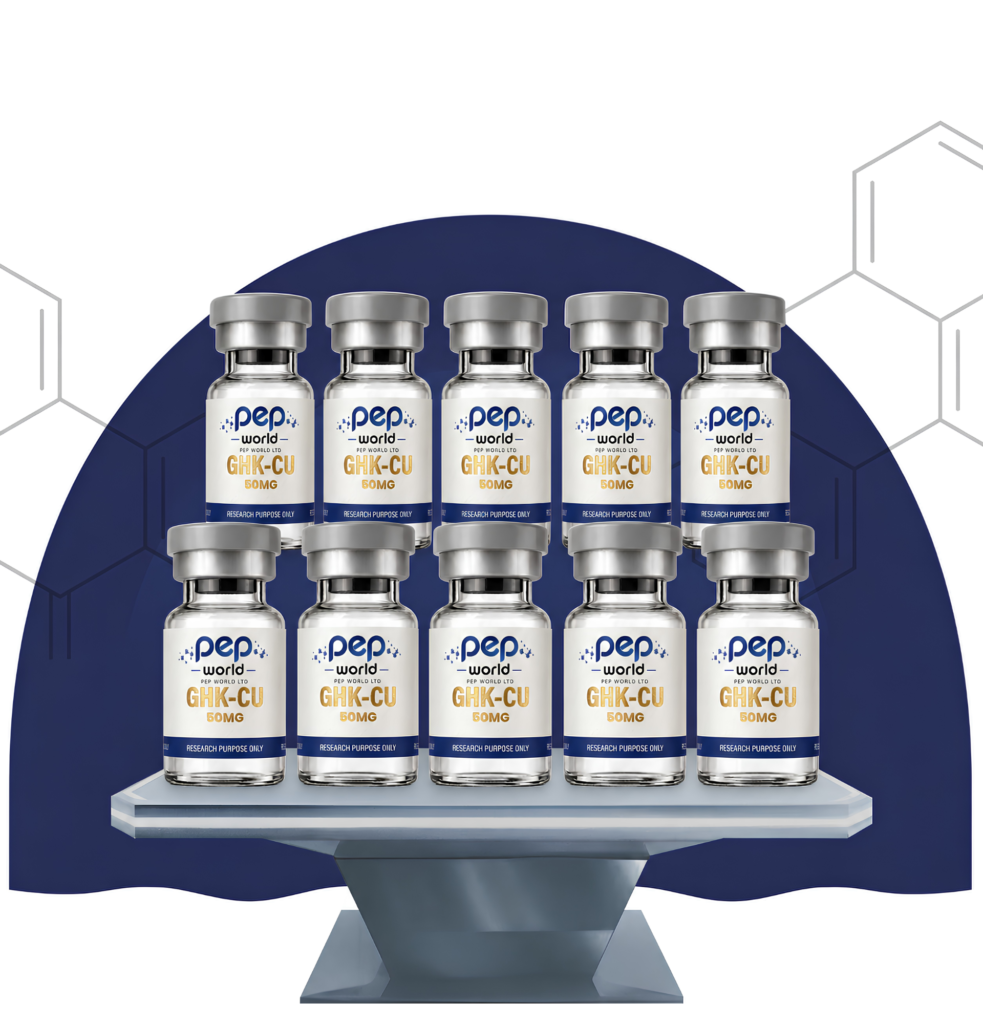
2. GHK-Cu (Copper Peptide)
GHK-Cu is one of the most widely studied peptides, especially in cellular signaling and gene expression research.
Research Focus:
- Copper-binding properties
- Cellular regeneration pathways
- Protein synthesis activity
Researchers are particularly interested in how it influences gene activation and suppression in controlled environments.
3. TB-500 (Thymosin Beta-4 Fragment)
TB-500 is being studied for its role in cell migration and structural repair processes.
Research Focus:
- Actin regulation
- Cellular movement
- Tissue structure models
Its ability to influence how cells move and organize makes it valuable in structural biology research.
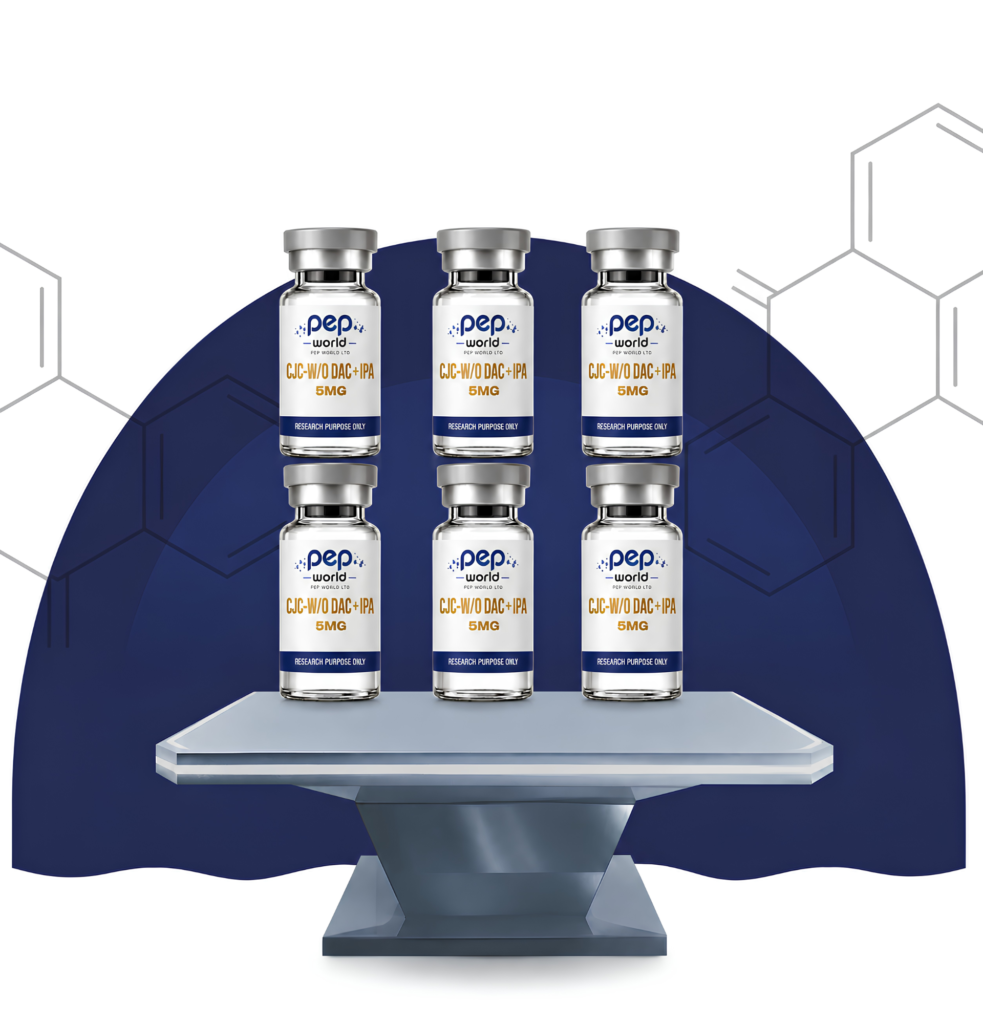
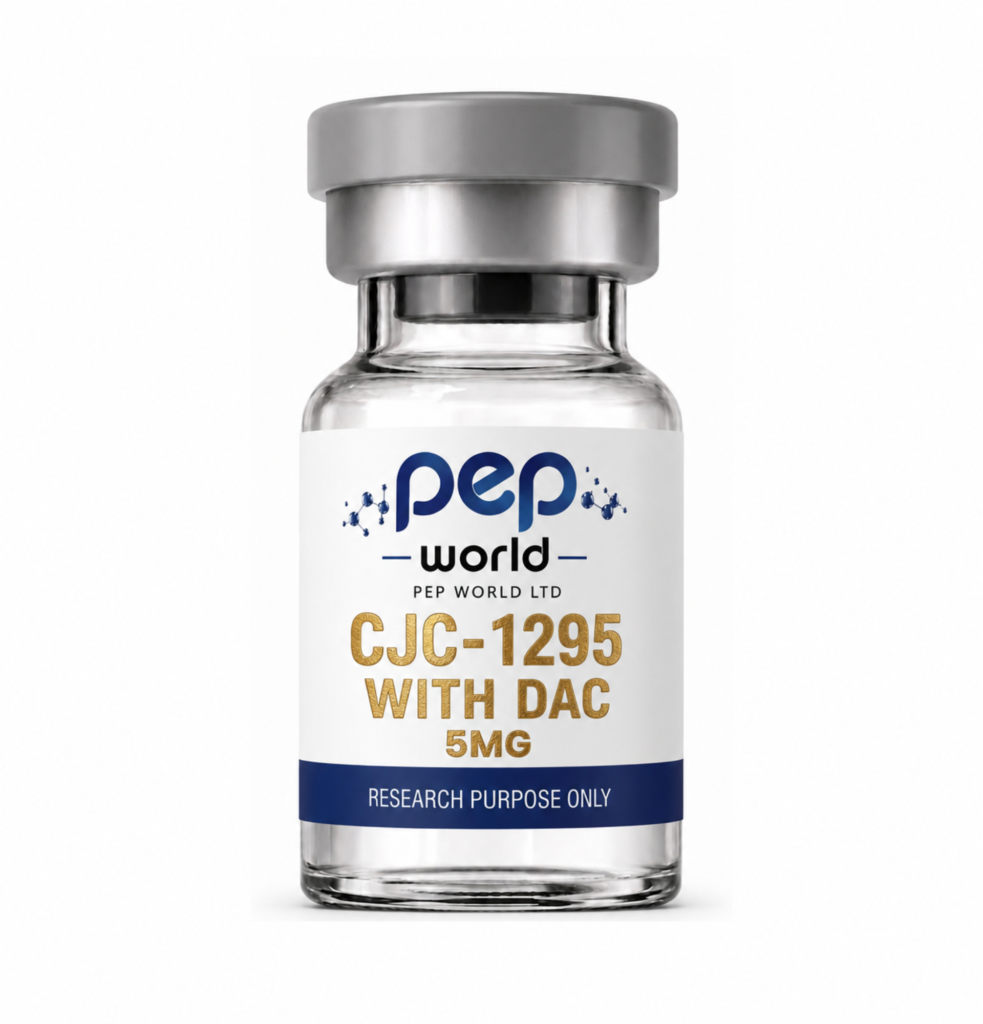
4. CJC-1295
CJC-1295 is frequently used in studies involving hormonal signaling pathways.
Research Focus:
- Growth hormone release patterns
- Endocrine system signaling
- Long acting peptide behavior
What stands out is its extended half-life, making it useful for long-duration experiments.
5. Ipamorelin
Ipamorelin is often studied alongside other peptides for its selective receptor interaction.
Research Focus:
- Growth hormone receptor pathways
- Selective binding behavior
- Signal specificity
Researchers prefer it because it allows more controlled and targeted studies compared to broader-acting compounds.
6. Semax
Semax has gained traction in neuroscience related research.
Research Focus:
- Neurotransmitter activity
- Cognitive signaling pathways
- Brain-derived peptide interactions
It’s particularly useful in experiments focused on brain chemistry and neural response models.
7. Selank
Selank is another peptide being explored in neurological studies.
Research Focus:
- Peptide influence on brain signaling
- Neurochemical balance
- Stress response pathways
Its role in modulating signaling molecules in the brain keeps it relevant in ongoing research.
8. Tesamorelin
Tesamorelin is studied for its involvement in metabolic and hormonal pathways.
Research Focus:
- Growth hormone regulation
- Metabolic signaling
- Endocrine system interactions
Researchers are interested in how it affects internal signaling cycles over time.
Key Trends in Peptide Research (2026)
The direction of peptide research is shifting. Here’s what’s actually happening:
1. Mechanism Over Marketing
Researchers are focusing on how peptides work, not what they claim to do.
2. Multi-Peptide Studies
Instead of studying peptides in isolation, labs are testing combinations and interactions.
3. AI-Driven Research
Artificial intelligence is now being used to:
- Predict peptide structures
- Optimize sequences
- Identify new candidates
4. Quality and Purity Focus
There’s growing emphasis on:
- HPLC testing
- Verified purity levels
- Reproducibility
Low quality peptides are being filtered out fast.
What This Means for Researchers
If you’re working in this space, the takeaway is simple:
- Stick to well-documented peptides
- Focus on data-backed compounds
- Prioritize quality and verification
Chasing obscure or untested peptides is usually a waste of time and resources.
Final Thoughts
The most studied peptides in 2026 aren’t random they’re backed by consistent data, clear mechanisms, and repeatable results.
BPC-157, GHK-Cu, TB-500, and others continue to dominate research because they offer something rare in this field: predictability.
And in research, predictability is everything.
Disclaimer
All products mentioned are intended for research purposes only. They are not approved for human consumption, medical use, or therapeutic application.