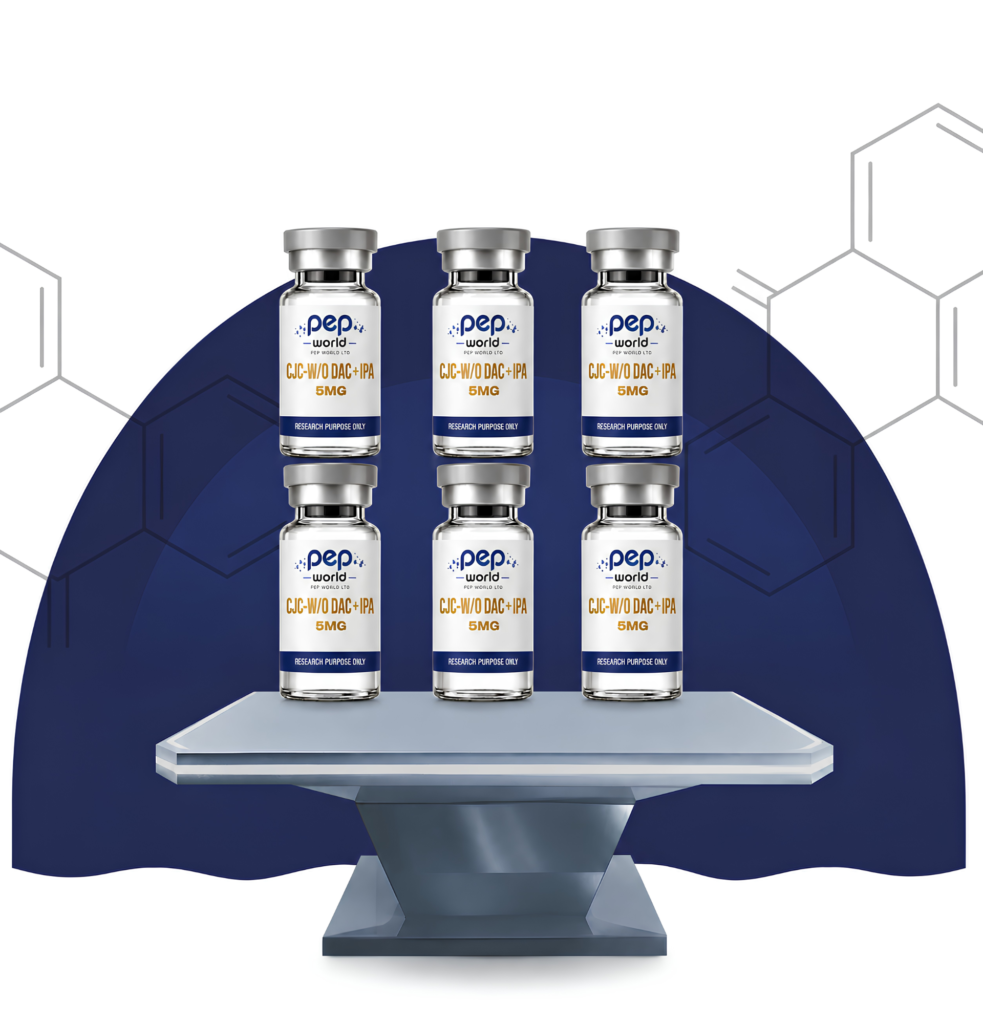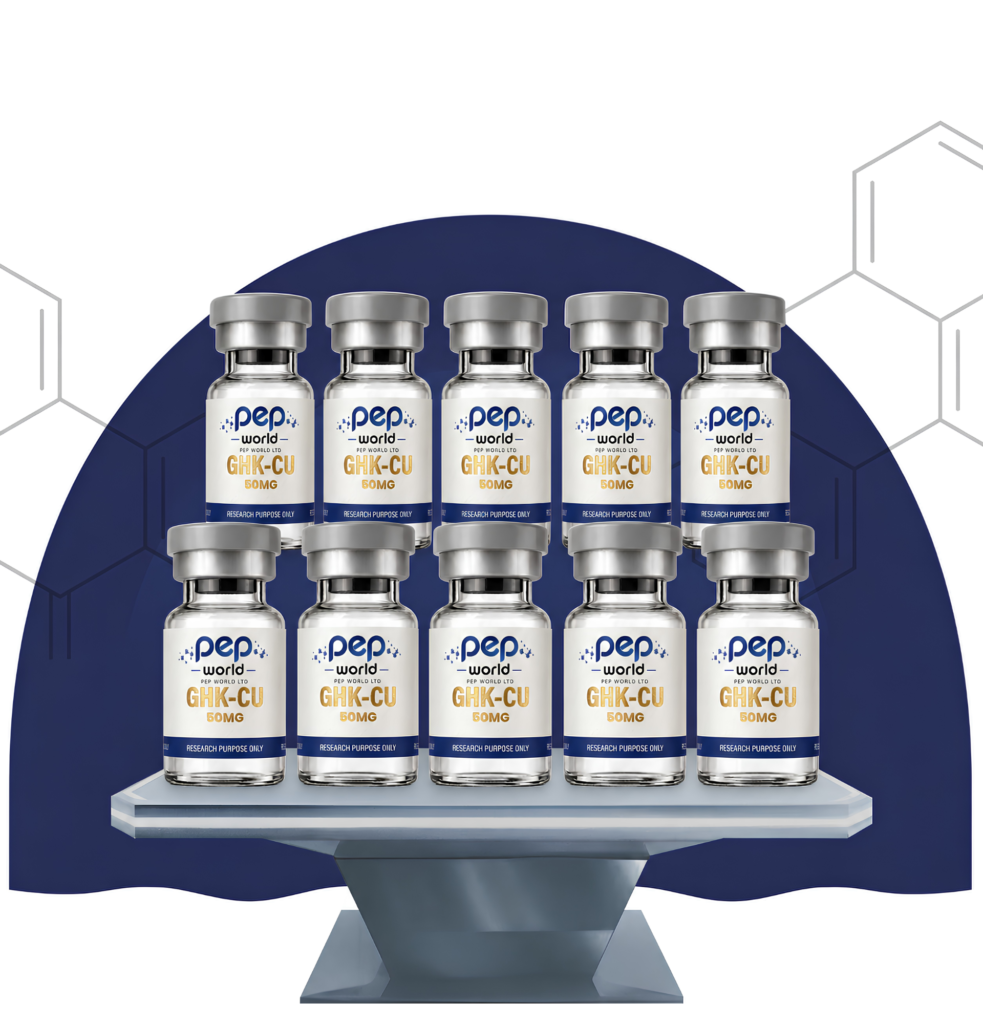
How to Reconstitute Research Peptides Correctly (2026)

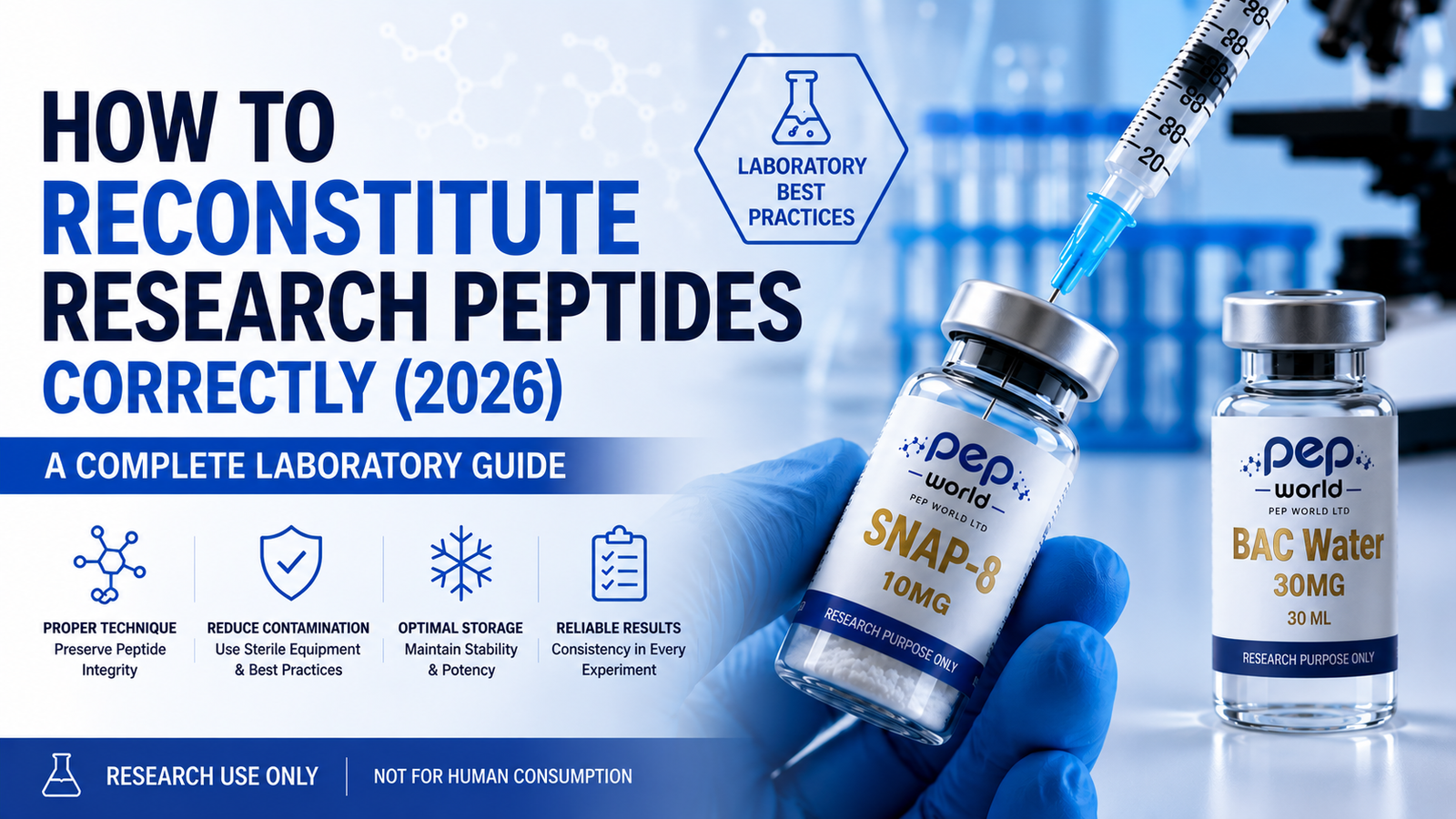
How to Reconstitute Research Peptides Correctly (2026 Guide)
Research peptides are widely used in laboratory environments where precision, consistency, and proper handling are essential. One of the most important steps before beginning any peptide research is reconstitution the process of converting a lyophilized (freeze-dried) peptide into a liquid solution suitable for laboratory applications.
Improper reconstitution can affect solution quality, reduce stability, or introduce contamination. Whether you’re new to peptide research or looking to improve your laboratory workflow, this guide explains the recommended handling techniques, storage practices, and common mistakes to avoid.
Research Use Only: The information in this guide is intended for laboratory research purposes only. PepWorld products are not intended for human or veterinary use.
What Does Reconstituting a Peptide Mean?
Most research peptides are supplied as a lyophilized powder. Freeze-drying helps preserve peptide integrity during storage and transportation. Reconstitution simply means adding an appropriate sterile solution typically bacteriostatic water to dissolve the peptide into a clear liquid solution for laboratory use. When performed correctly, reconstitution helps maintain solution consistency while minimizing contamination risks.
Why Are Peptides Supplied as a Freeze-Dried Powder?
Lyophilization offers several advantages for research laboratories:
- Improved long-term stability
- Easier transportation
- Reduced moisture exposure
- Better preservation during storage
- Convenient preparation when needed
Once reconstituted, peptides generally require refrigerated storage and should be handled according to accepted laboratory practices.
Equipment You'll Need
Before starting, prepare a clean workspace and gather the following items:
- Research peptide vial
- Bacteriostatic Water
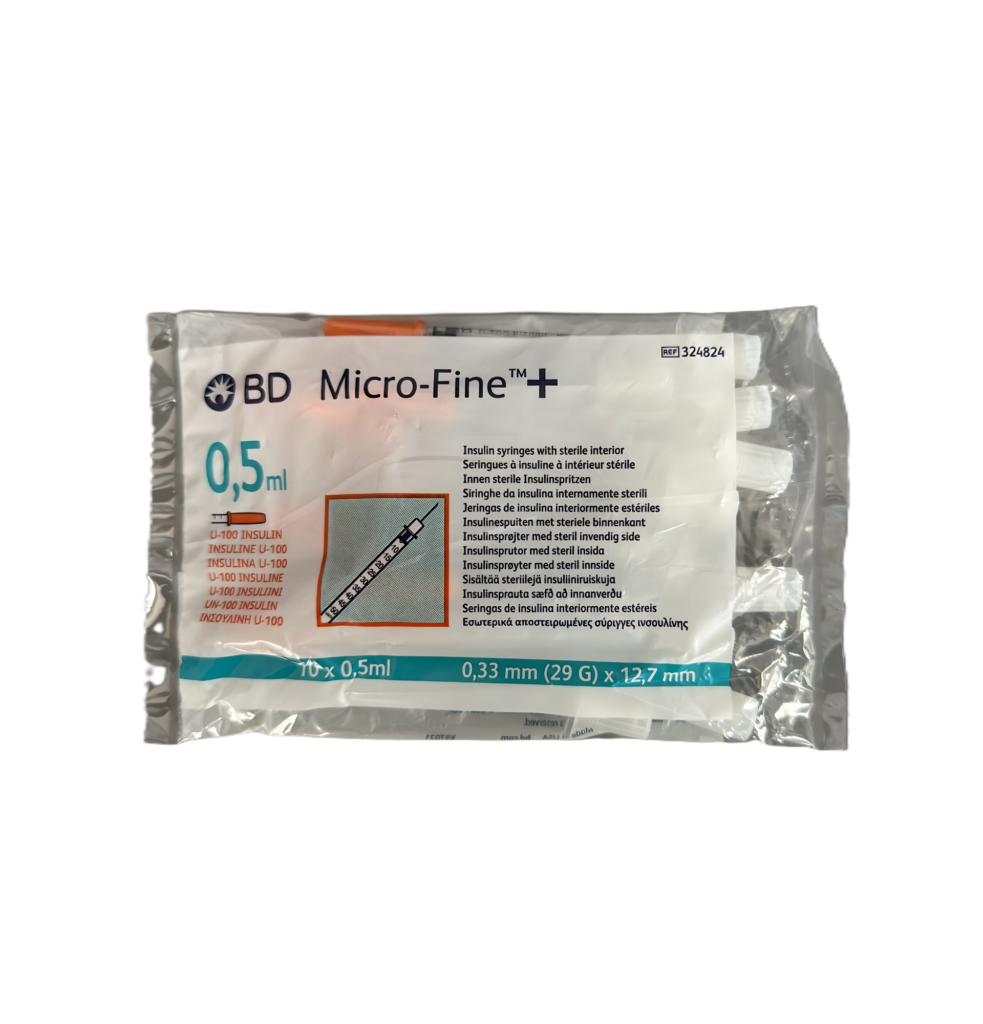
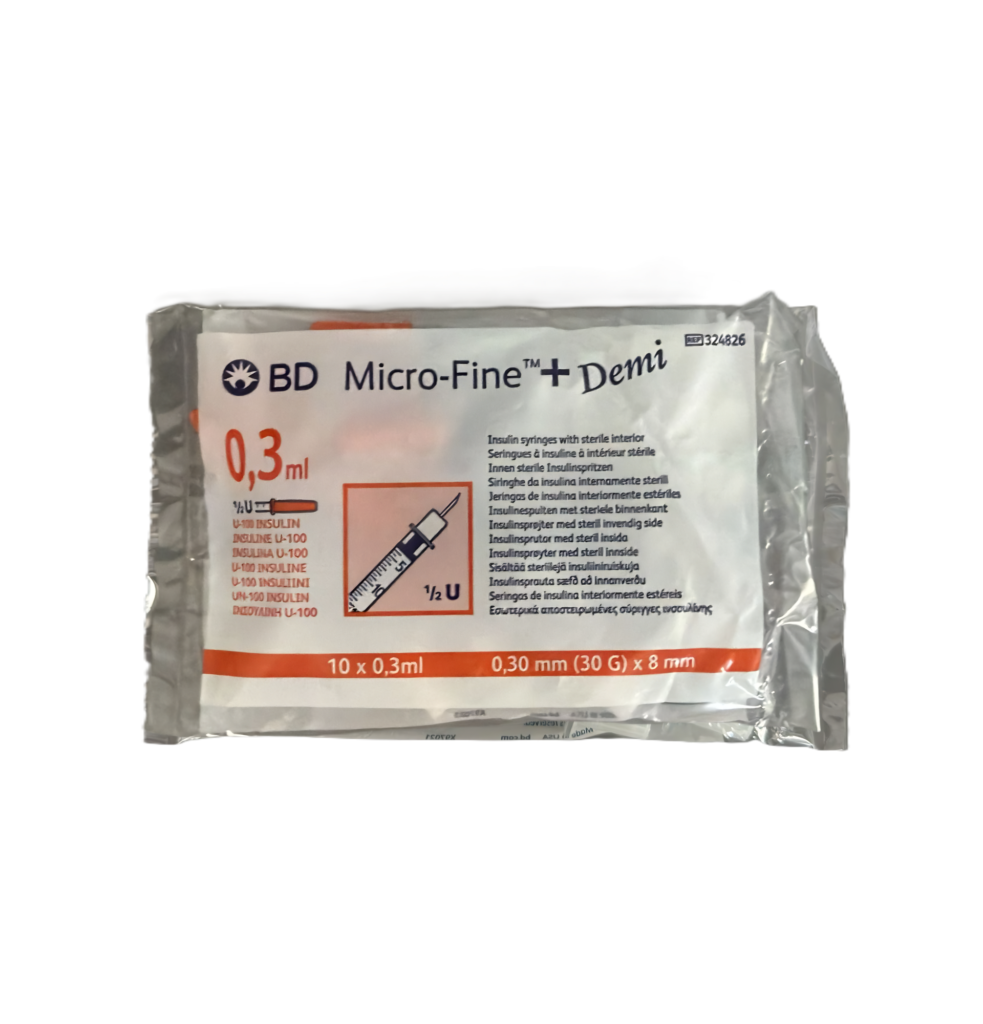
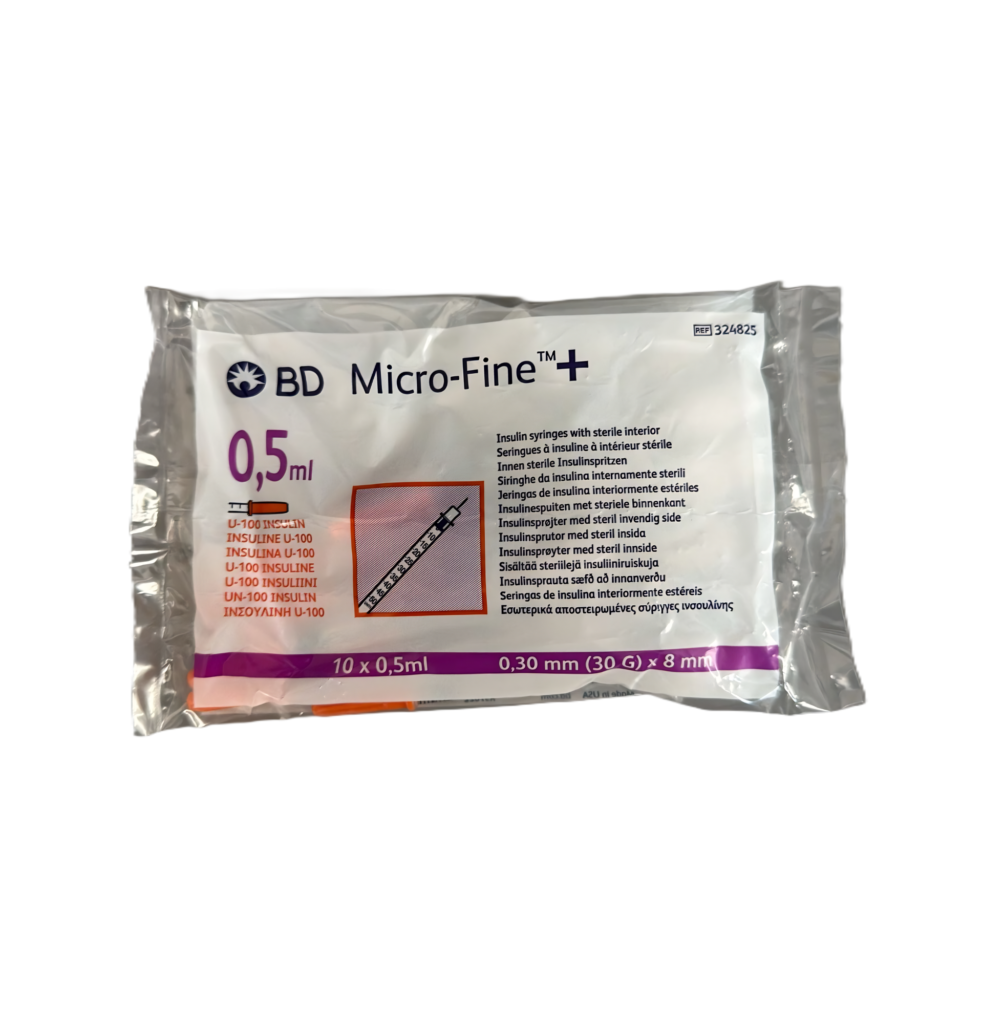
- Sterile syringe for reconstitution
- Alcohol preparation pads
- Laboratory gloves
- Sharps disposal container
- Clean laboratory surface
Using sterile equipment throughout the process helps reduce contamination.
Step-by-Step Guide to Reconstituting Research Peptides
Step 1: Prepare a Clean Workspace
Choose a clean, uncluttered area. Wash your hands thoroughly and wear disposable gloves if required by your laboratory procedures. Avoid working near open windows, food preparation areas, or dusty environments.
Step 2: Allow Materials to Reach Room Temperature
If the peptide vial has been refrigerated, allow both the peptide and bacteriostatic water to sit at room temperature for several minutes before mixing.Large temperature differences may increase condensation and make handling less convenient.
Step 3: Clean Both Vials
Using fresh alcohol wipes:
- Clean the peptide vial stopper.
- Clean the bacteriostatic water vial stopper.
Allow the alcohol to dry completely before inserting a needle.
Step 4: Draw the Required Amount of BAC Water
Using a sterile syringe, carefully withdraw the required amount of bacteriostatic water. The appropriate volume depends on your laboratory protocol and desired research concentration. Always follow your laboratory calculations before proceeding.
Step 5: Inject Slowly Along the Glass Wall
This is one of the most important steps.Instead of spraying water directly onto the peptide powder, gently direct the liquid down the inside wall of the vial.This helps the solution mix gradually while minimizing unnecessary agitation.
Step 6: Allow the Peptide to Dissolve Naturally
After adding the water:
- Do not shake the vial.
- Gently rotate or swirl it if necessary.
- Allow the peptide to dissolve naturally.
Depending on the peptide, dissolution may take several minutes.
A properly dissolved solution should appear:
- Clear
- Colorless
- Free from particles
- Without persistent foam
Why Bacteriostatic Water Is Commonly Used
Many research laboratories choose bacteriostatic water because it contains a preservative that helps reduce bacterial growth after opening.Compared with plain sterile water, bacteriostatic water is often preferred for multi-use laboratory preparations due to its handling advantages.Always ensure that laboratory-grade bacteriostatic water is stored according to the manufacturer’s recommendations.
Proper Storage After Reconstitution
After the peptide has been mixed:
- Store in a refrigerator between 2°C and 8°C
- Keep the vial tightly sealed
- Protect from unnecessary light exposure
- Avoid repeated warming and cooling cycles
- Store upright whenever possible
Consistent storage conditions help maintain solution quality throughout laboratory use.
Frequently Asked Questions
Many laboratories prefer bacteriostatic water because it contains a preservative that supports multi-use handling. Always follow your laboratory protocol when selecting a diluent.
Gentle mixing is generally preferred to minimize unnecessary agitation during preparation.
Yes. Most reconstituted research peptides are typically stored between 2°C and 8°C unless a specific protocol indicates otherwise.
Laboratory storage recommendations vary depending on the peptide. Repeated freeze-thaw cycles are generally avoided because they may affect solution quality.
Best Practices for Laboratory Researchers
For consistent results:
- Maintain sterile technique
- Label every vial with the preparation date
- Store under recommended conditions
- Minimize unnecessary handling
- Follow your laboratory’s SOPs
- Inspect each solution before use
Small improvements in handling procedures can help maintain consistency across research projects.
Conclusion
Proper peptide reconstitution is one of the most important steps in any laboratory workflow. From preparing a clean workspace to using bacteriostatic water correctly and storing solutions under appropriate conditions, careful handling helps maintain consistency throughout the research process.At PepWorld, we supply high-quality Research Use Only peptides along with laboratory essentials designed to support professional research environments.Whether you’re working with 5-Amino-1MQ, Ipamorelin, Semax, GHK-Cu, MOTS-c, or other research peptides, following established laboratory best practices helps ensure reliable preparation and handling.
Disclaimer
All products mentioned are intended for research purposes only. They are not approved for human consumption, medical use, or therapeutic application.