Introduction
Most people focus on buying peptides.
Very few focus on what actually matters after that stability.
And that’s where things go wrong.
Even high quality peptides can lose their integrity if they’re stored or handled incorrectly. That means unreliable results, wasted material, and inconsistent data in research settings.
If you’re working with research peptides, understanding stability isn’t optional it’s essential.
What Is Peptide Stability?
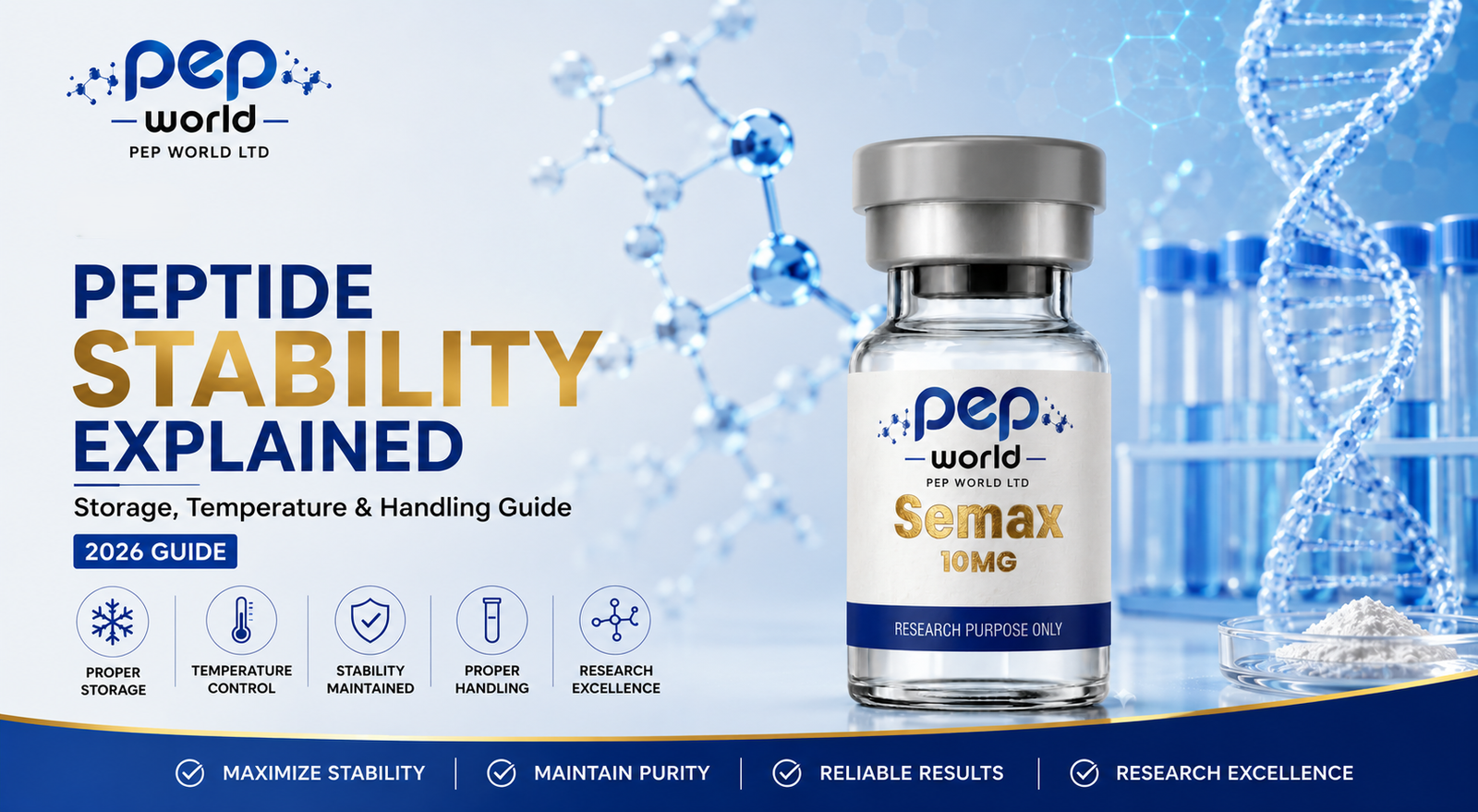
Peptide stability refers to how well a peptide maintains its structure, purity, and functionality over time.
Peptides are not as stable as many assume. They can degrade due to:
- Temperature changes
- Moisture exposure
- pH imbalance
- Light exposure
- Improper handling
Once degradation starts, the peptide may no longer behave as expected in research.
Why Stability Matters in Research
Here’s the uncomfortable truth:
If your peptide isn’t stable, your data isn’t reliable.
Researchers depend on consistency. If a peptide degrades:
- Results become unpredictable
- Experiments lose accuracy
- Time and resources are wasted
That’s why serious labs treat storage and handling as critical steps, not afterthoughts.
Key Factors That Affect Peptide Stability
1. Temperature
Temperature is the biggest factor.
- Room temperature: Rapid degradation risk
- Refrigerated (2–8°C): Short-term storage
- Frozen (-20°C or below): Long-term stability
Repeated temperature changes (freeze-thaw cycles) can damage peptide structure.
Best practice: Avoid frequent thawing.
2. Moisture (Humidity)
Peptides are highly sensitive to moisture.
Even small exposure can:
- Trigger chemical breakdown
- Reduce purity
- Shorten shelf life
Always keep peptides in a dry, sealed environment.
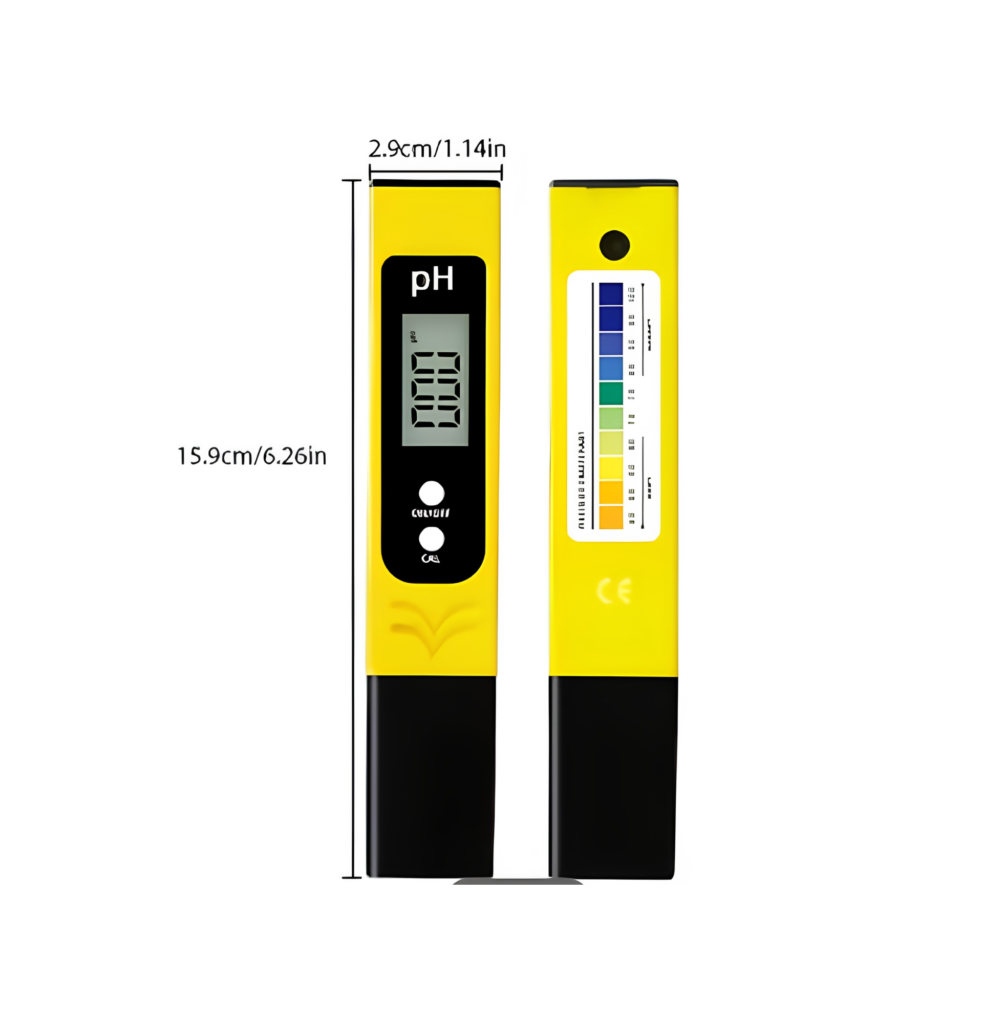
3. pH Levels
Peptides are sensitive to pH conditions.
Extreme pH levels can:
- Break peptide bonds
- Alter structure
- Affect research outcomes
Maintaining neutral or controlled pH environments is key.
4. Light Exposure
UV light can degrade certain peptides over time.
Store peptides in:
- Dark containers
- Controlled lighting conditions
5. Handling Practices
Most degradation doesn’t happen in storage it happens during handling.
Common mistakes:
- Repeated vial opening
- Contamination
- Improper reconstitution
Clean, controlled handling reduces risk significantly.
Lyophilized vs Reconstituted Peptides
This is where most people mess up.
Lyophilized (Freeze-Dried) Peptides
- More stable
- Longer shelf life
- Easier to store
Reconstituted Peptides
- Less stable
- Require refrigeration
- Limited usable time
Rule: Only reconstitute when you’re ready to use.
How to Store Research Peptides Properly
Short-Term Storage
- Keep at 2–8°C
- Avoid light exposure
- Use airtight containers
Long-Term Storage
- Store at -20°C or lower
- Minimize freeze-thaw cycles
- Keep vials sealed and dry
Signs of Peptide Degradation
You won’t always see obvious changes, but common signs include:
- Discoloration
- Cloudiness after reconstitution
- Reduced effectiveness in experiments
If results start becoming inconsistent, stability is often the issue not the peptide itself.
Best Practices for Maximum Stability
- Store peptides immediately after delivery
- Avoid unnecessary handling
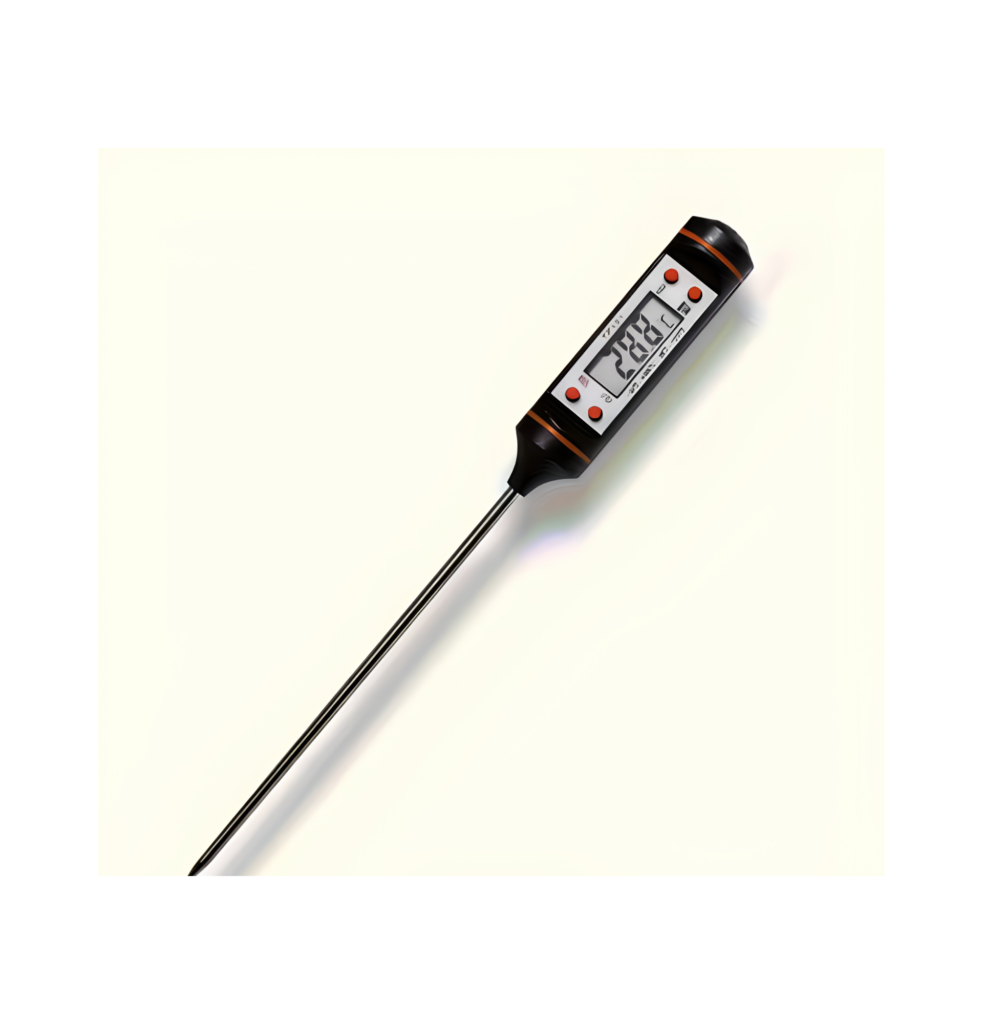
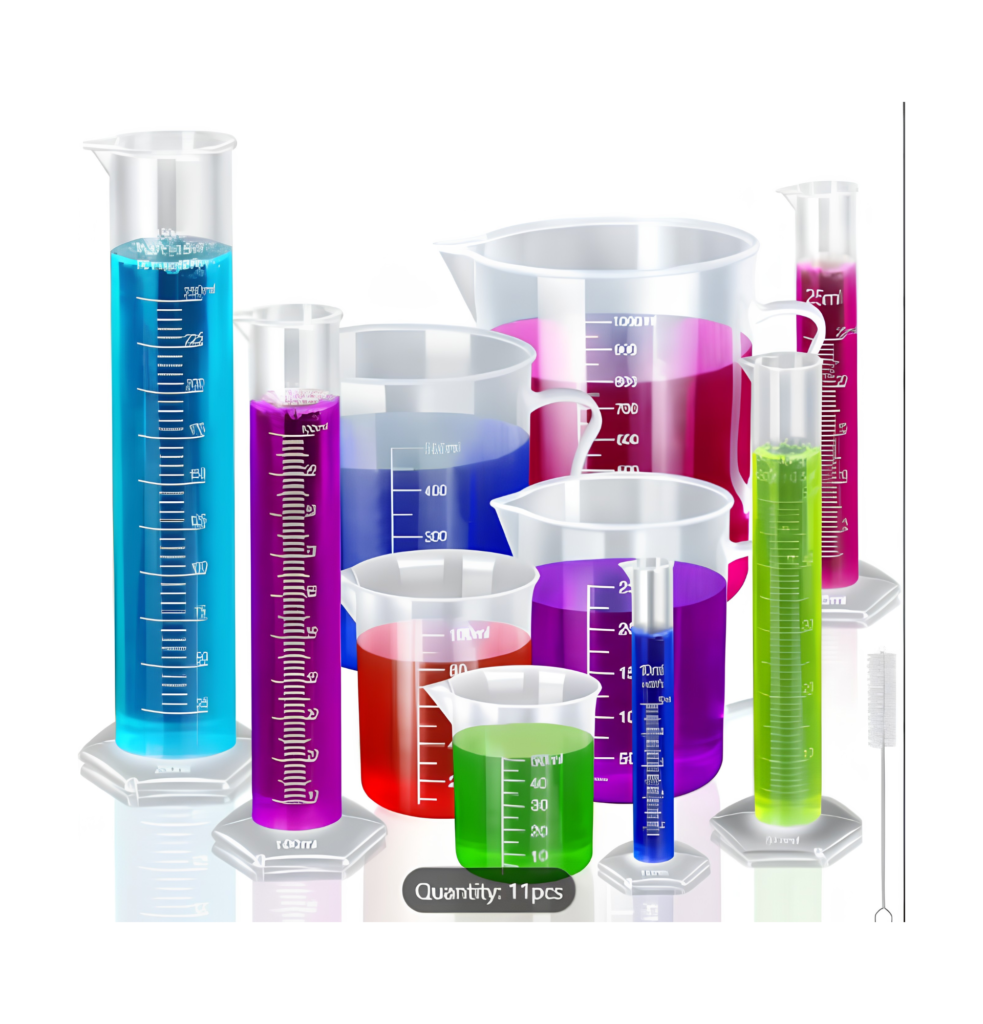
- Use proper lab storage equipment
- Label and track storage conditions
- Work in clean, controlled environments
Consistency here leads to consistency in results.
Common Mistakes to Avoid
Let’s be direct these are the mistakes costing people time and money:
- Leaving peptides at room temperature
- Repeated thawing and freezing
- Poor sealing or exposure to air
- Ignoring storage guidelines
Most stability problems are preventable.
Final Thoughts
Peptide stability isn’t complicated but it does require discipline.
If you ignore it, your research suffers.
If you control it, your results improve.
The difference isn’t the peptide.
It’s how you handle it.
Disclaimer
All products mentioned are intended for research purposes only. They are not approved for human consumption, medical use, or therapeutic application.